Probiotic Diet Review: What Real Users Are Saying About the App
ByProbiotic Diet Editorial
Updated onSeptember 30, 2026
When it comes to choosing a meal plan app, nothing speaks louder than the experience of real users. Not marketing copy. Not feature lists. The actual feedback from people who have done the shop, cooked the meals, and lived with the results.
This article pulls together what Probiotic Diet users are consistently saying about the recipes, the customization, the shopping list and the overall experience of building a cooking habit with the app.
The First Thing Users Notice: How Easy It Is to Start
One of the most consistent themes in user feedback is how quickly the plan becomes usable. Even people who describe themselves as unable to cook say the first week felt manageable rather than intimidating.
The quiz is frequently mentioned as the moment that makes the difference. Rather than being handed a generic diet, users answer questions about the foods they like, the foods they avoid and the time they have, and what comes back feels built for them.
What Users Say About the Recipes Themselves
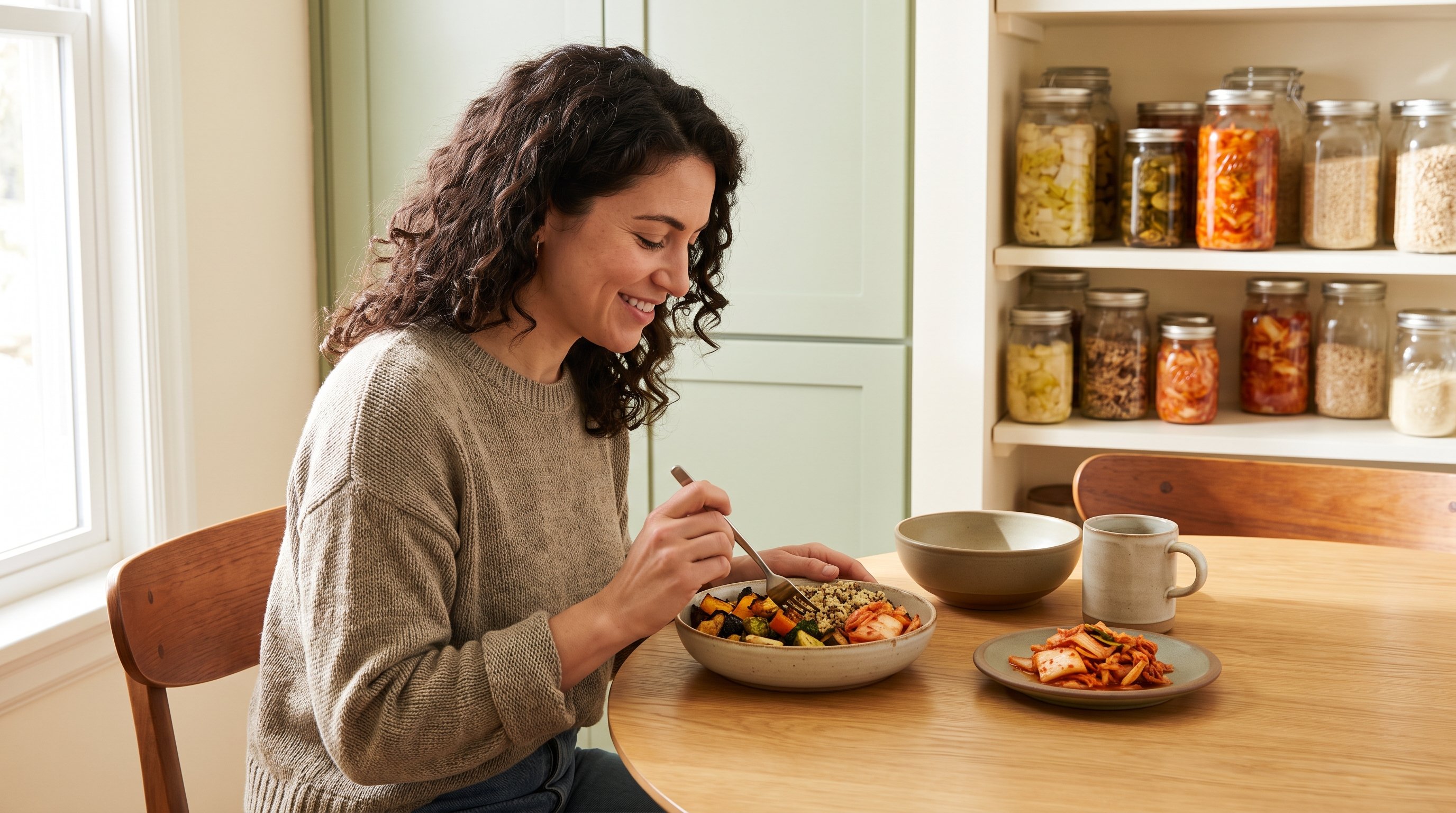
The recipes are among the most praised features in user feedback. Users describe them as genuinely quick, with short ingredient lists and instructions that assume no prior experience.
This matters more than it might seem. The most common reason a meal plan fails is not that the food is wrong - it is that the recipe takes forty minutes on a night when you have fifteen. Users report that Probiotic Diet handles this by building the plan around meals that fit the evening you actually have.
Taste comes up repeatedly, and favourably. Because the plan is assembled from foods people selected themselves, users describe meals they look forward to rather than tolerate, which is the difference between week two and week ten.
What Users Report About Results
User-reported results fall into clear stages, and understanding the timeline helps set realistic expectations for anyone starting out.
The first couple of weeks tend to produce practical changes rather than visible ones - fewer takeaways, less time spent deciding what to cook, and a noticeable drop in food waste. Users consistently mention the shopping list as the reason, since ingredients carry across several meals.
Over the following months, users describe the physical changes, arriving in proportion to how many weeks they actually cooked the plan rather than how strictly they followed any single day.
Past a few months, users describe a shift from following a plan to simply shopping and cooking differently. That shift is one of the clearest signs a meal plan has genuinely worked.
What Users Say About the Shopping List and Extras
Beyond the recipes, users frequently cite the supporting features as meaningful contributors to their results. The shopping list is described as the practical half of the whole thing - one trip, everything used, far less thrown away.
The low-effort workouts also come up, with users noting they add movement without turning into a second commitment. The wellness challenges are mentioned most often by people who describe consistency as their weak point, since a visible streak is easier to maintain than motivation.
Who Is Getting the Most From Probiotic Diet?
Looking across user feedback, a clear picture emerges of who benefits most.
People who have tried planning meals themselves and gave up on it. The plan removes the deciding, which is where most attempts fail.
Busy people who need dinner decided before they get home. The 15 to 20 minute format is the single most cited reason the habit stuck.
People who have tried restrictive diets before and abandoned them. Because the plan is built from foods they chose, it does not feel like something to endure.
The Consistency Factor
Perhaps the most telling indicator of a meal plan's value is not what users say after a week - it is whether they are still cooking from it a few months in. Across Probiotic Diet feedback, long-term retention stands out.
Users attribute it to several things: a plan that matches their tastes so the meals stay appealing, recipes short enough to cook on a bad day, a shopping list that removes the planning, and challenges that give fresh goals.
The Final Take
User feedback on Probiotic Diet tells a consistent story. People who start expecting a basic recipe app frequently find something more complete - a plan that adapts to what they actually eat, a shopping list that makes the week happen, and meals quick enough to survive a normal schedule.
The strongest signal is not any single review. It is the pattern of users still cooking from the plan months later, describing Probiotic Diet as the one that finally stuck. For anyone weighing up whether it is the right starting point, that pattern is the most meaningful answer available.
FAQ
How quickly do users see results?
Most report the practical changes - fewer takeaways, less waste - within the first two weeks. Physical change follows in proportion to how consistently the plan is cooked, and varies from person to person.
Do I need to know how to cook?
No. The recipes assume no experience, use a few everyday ingredients, and are written step by step. Many of the most satisfied users describe themselves as beginners.
How long do the meals take?
Most take about 15 to 20 minutes. That figure is the one users cite most often as the reason the habit stuck.
Do I need special ingredients?
No. Almost everything comes from an ordinary supermarket, and the shopping list is built so ingredients carry across several meals.
Is the plan restrictive?
No. It is built around foods you select yourself in the quiz, rather than a fixed template, which is why users describe meals they look forward to.
Do I need special equipment?
No. The recipes use an ordinary kitchen, which is why there is nothing else to buy.