Anti-Inflammatory Foods List: How to Eat Them Every Day
ByProbiotic Diet Editorial
Updated onOctober 1, 2026
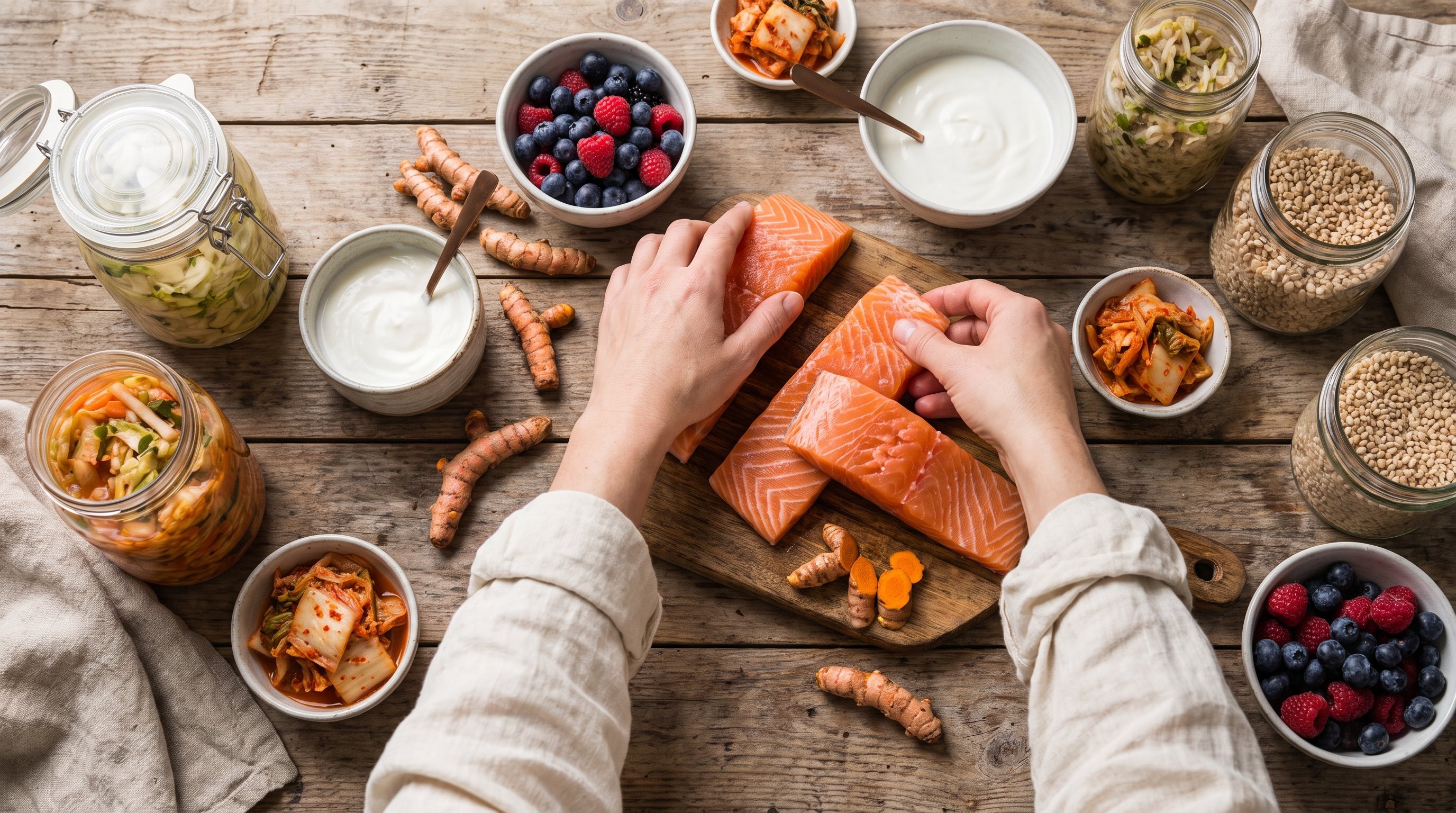
Five meals a day, most days of the week - that's roughly 35 eating occasions over seven days. Anti inflammatory foods work by filling more of those occasions with whole, minimally processed ingredients instead of the alternative.
The mechanism is simple: certain foods bring fibre, plant compounds and healthy fats to the table, while others bring mostly refined starch, added sugar and processed fat. Swap the balance of those foods over time and you change what your body is working with at every meal.
This guide covers what the science of eating actually asks of you, how much really matters, where people get stuck, and how a flexible plan can make the whole thing easier to hold onto.
Do Anti Inflammatory Foods Actually Work?
The mechanism isn't mysterious. Vegetables, fruit, oily fish, nuts, seeds, olive oil and whole grains bring fibre and plant compounds that refined, heavily processed foods simply don't carry in the same amounts.
Eat more of the first group and less of the second, and the overall pattern of what reaches your gut and your bloodstream shifts - not from any single ingredient, but from the ratio across a week.
Here's the honest arithmetic: if dinner is one of three main meals most days, swapping that single meal for a vegetable-and-whole-grain version changes roughly a third of your main-meal choices without touching breakfast or lunch at all.
Do that across a handful of meals a week and the shift is real, even though no single food is doing anything dramatic on its own.
Why This Beats the Harder Alternative
Strict elimination diets ask you to cut out entire food groups overnight. Most people can hold that for a few weeks, then life happens and the rules collapse.
Substitution is different. You're not removing meals, you're replacing a few ingredients inside meals you already eat - swapping white bread for wholegrain, or a fried side for a roasted one.
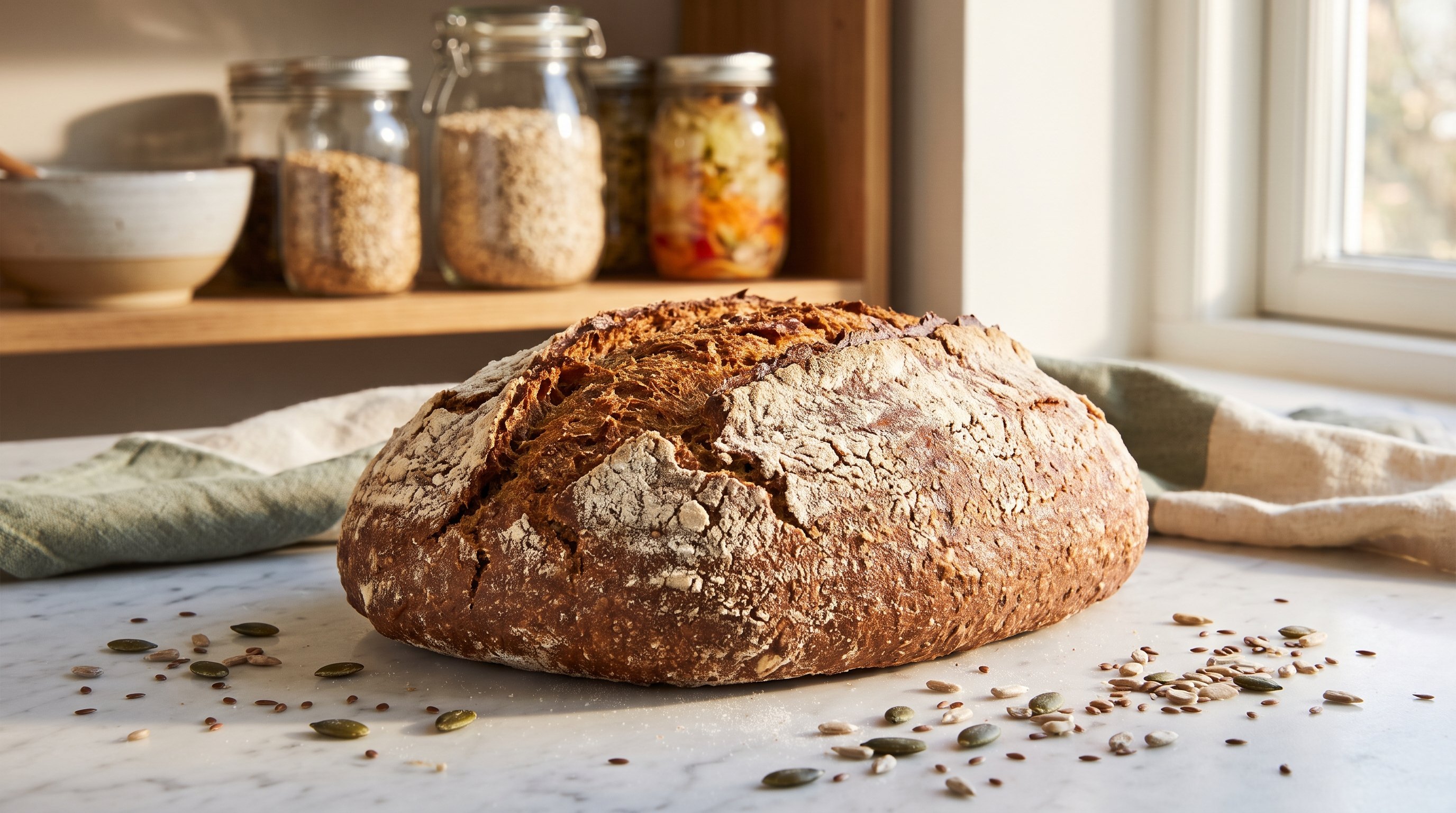
That smaller ask is exactly why it tends to stick. A plan built on substitution survives a busy week, a holiday, or a bad day in a way that a plan built on restriction rarely does.
Consistency is unglamorous and it wins anyway - the pattern you can repeat for months beats the one you can only manage for a fortnight.
The Quantity Question: How Many Anti Inflammatory Foods Do You Need?
There's no single magic number, and anyone promising one is guessing. What matters more is the proportion of your plate and your week that comes from whole-food sources versus processed ones.
A useful starting point is thinking in terms of meals per week rather than grams per day - it's easier to count and easier to act on.
Find Your Own Number
Start by counting how many of your usual meals already lean towards vegetables, whole grains, nuts or oily fish, then look for one or two easy swaps rather than rebuilding the whole week.
| Where You Are | A Reasonable Target |
|---|---|
Just starting out | 1 swap per day |
Building a habit | 3 to 4 swaps weekly |
Already consistent | Most main meals |
Busy weeks | One easy swap kept |
Pick the row that matches your week, not the one that sounds most impressive - the number you'll actually repeat beats the number you admire on a chart.
The Practical Question: How Do You Fit This Into Real Life?
Knowing which foods help is one thing. Shopping for them, cooking them, and remembering to choose them on a tired Tuesday is another thing entirely.
That gap is where most good intentions fall apart - not from a lack of knowledge, but from a lack of a workable system.
A meal plan built around food you already like closes that gap, because the swaps are already decided for you before the week gets busy. Probiotic Diet gives you a plan like that, with recipes designed around whole, gut-friendly ingredients so you're not reinventing dinner from scratch every night.
Pair that with simple tracking for water, weight or steps, and the whole approach stops being something you have to remember and starts being something that just happens.
The Anti Inflammatory Diet Trend: What's Useful, What's Arbitrary
The idea of eating this way has become a genuine trend, and parts of it hold up well. Favouring vegetables, whole grains, fish and plant oils over heavily processed food is a sound pattern, not a fad.
Where it gets arbitrary is the strict lists some versions attach - rigid bans on entire food categories, or claims that one specific fruit or spice is doing all the work.
No single food carries a pattern on its own. The useful part is the overall shift towards whole foods; the unhelpful part is turning that shift into a list of forbidden items.
Comparison: Whole-Food Swaps vs Strict Elimination
Most people weighing this up are really choosing between two approaches: gradually swapping ingredients, or cutting out entire food groups in one go.
| Factor | Whole-Food Swaps | Strict Elimination |
|---|---|---|
Starting effort | Low, one meal at a time | High, whole groups removed |
Grocery list | Mostly unchanged | Rebuilt from scratch |
Social meals | Easy to manage | Often awkward |
Typical dropout point | Rare, low friction | Common within weeks |
Long-term fit | Built for repeating | Hard to sustain |
Neither approach is a moral choice - it's about which one you can still be doing in three months, not three days.
The Forbidden Promise, Answered Honestly
No food targets one part of the body. Eating more vegetables will not shrink a specific area, and nothing in this guide claims otherwise - the body simply doesn't work that way.
There's no overnight version of this either. A single salad doesn't undo a week of processed meals, and no plan can promise it will.
The honest answer is slower and less exciting: a pattern of whole-food meals, repeated over time, is the whole mechanism. There's no shortcut hiding underneath it.
Levers That Change the Result
Not every change carries equal weight. These three matter more than the rest, in order.
What Actually Moves the Needle
- Consistency over weeks - one perfect day changes nothing; the same few swaps repeated for months is what shifts the overall pattern.
- Fewer processed meals, not zero - cutting processed food from most meals to some meals matters more than chasing a perfect, processed-free week.
- Variety across the week - rotating vegetables, grains and fats means you're not relying on one food to do all the work, because none of them can.
How Long Until You See Results?
This is where most people quit - somewhere in the stretch where the new habit feels routine but no obvious change has shown up yet.
There's no fixed timeline here, and anyone offering one in days or weeks is guessing. What's more useful is treating the early period as habit-building time rather than results-watching time.
Keep the swaps going, keep the variety up, and let the pattern do its slow work in the background instead of checking for proof every few days.
Your First Four Weeks
The order of these steps matters more than the exact numbers - build the habit before you worry about getting it perfect.
| Week | Focus |
|---|---|
Week 1 | Swap one meal a day |
Week 2 | Add one new vegetable weekly |
Week 3 | Rotate whole grains in |
Week 4 | Review and repeat swaps |

By the end of week four you're not chasing a perfect diet - you're just repeating a slightly better one.
What Stalls Progress
Trying to Change Everything at Once
Rebuilding every meal in week one is exhausting and rarely lasts. Pick one meal, swap it, and leave the rest alone until that swap feels automatic.
Treating One Food As a Fix
No single ingredient carries a whole pattern. Focus on the overall mix of meals across the week instead of pinning hope on one 'superfood'.
No Plan for Busy Days
Good intentions fall apart fastest on the days with no time to cook. Keep one or two quick, whole-food options ready so a rushed day doesn't mean a processed one.
Quitting Before the Pattern Settles
Early weeks can feel uneventful because nothing dramatic has happened yet. Keep repeating the swaps anyway - the pattern needs time, not perfection.
No Way to See What's Actually Changing
Without tracking meals, water or weight somewhere, it's easy to lose sight of what's actually been consistent. A simple log turns a vague sense of effort into something you can actually check.
Why Probiotic Diet Works for This
Swapping meals is simple in theory and genuinely hard to sustain without a system behind it. Probiotic Diet removes the guesswork by giving you a tailored plan built around whole, probiotic-friendly recipes instead of asking you to redesign every meal yourself.
With over 1000 recipes to choose from, light workouts and challenges to keep momentum going, and trackers for water, weight and steps all in one place, the habit-building side of this becomes something you can actually keep up - not just something you meant to start.
Final Thoughts
Anti inflammatory foods aren't a strict rulebook - they're a direction. Shift the balance of your meals towards whole, minimally processed ingredients, keep the swaps going longer than feels exciting, and let the pattern do the work.
If you want that direction built into a plan you don't have to design yourself, Probiotic Diet gives you the recipes, tracking and structure to make it easier to repeat - starting with whichever meal you swap first.
Frequently Asked Questions
What Foods Count As Anti Inflammatory Foods?
Vegetables, fruit, oily fish, nuts, seeds, olive oil and whole grains are the main groups people mean by this. None of them work alone - it's the overall balance across your meals that matters.
Do I Have to Cut Out Processed Food Completely?
No - the goal is fewer processed meals, not zero. A gradual shift towards whole-food swaps tends to hold up better than an all-or-nothing rule.
I Don't Have Time to Cook From Scratch - Can This Still Work?
Yes, if the plan is built around meals you can actually make on a busy night. That's exactly what Probiotic Diet's recipe library is designed for, so the swap doesn't depend on extra time you don't have.
Why Does This Feel Like It's Not Working After a Few Weeks?
Early weeks are usually about habit-building, not visible change, and that's normal. Keep repeating the swaps rather than judging the plan too soon - the pattern needs time to settle in.