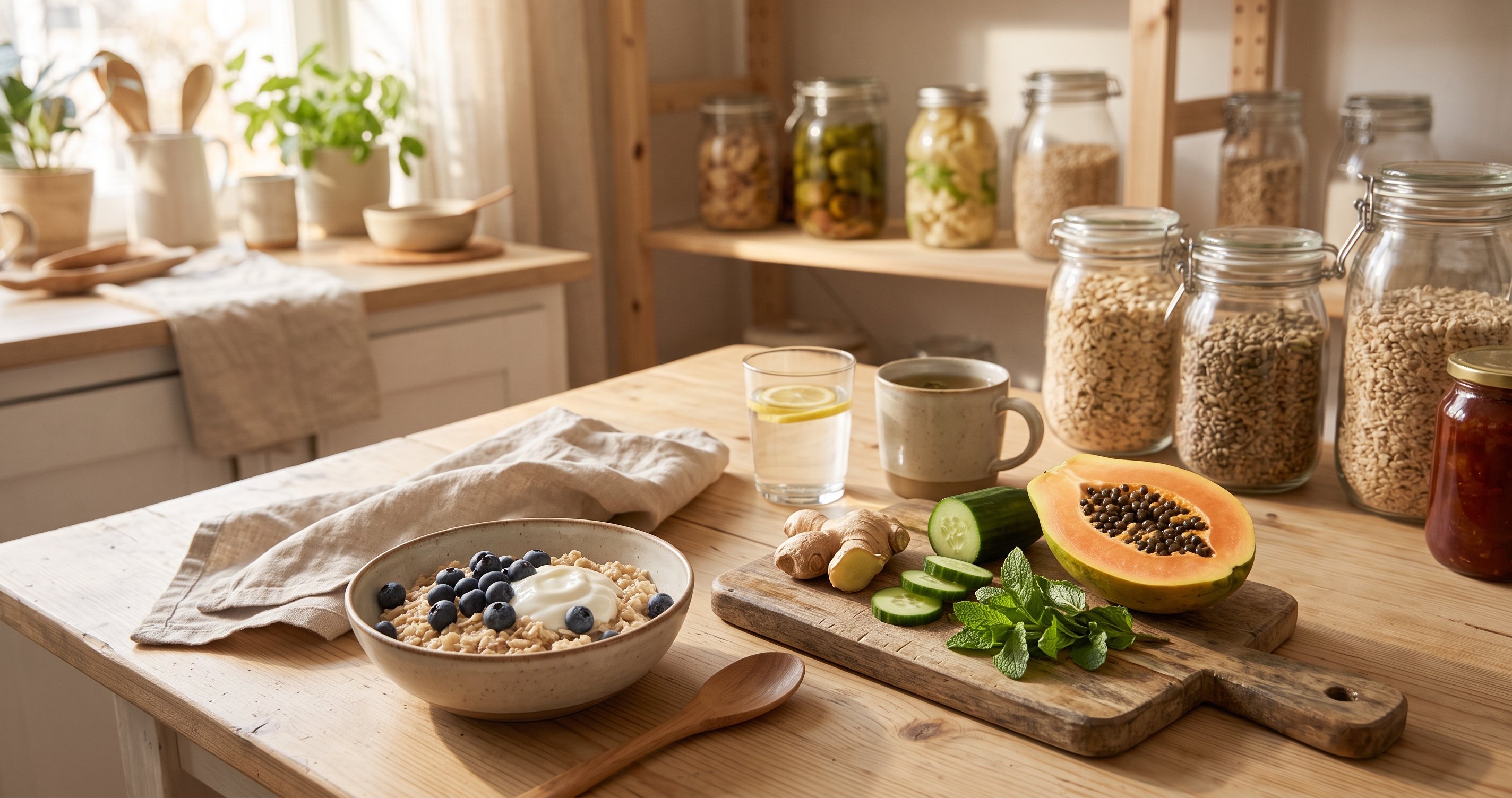
High-Fiber Foods Chart: What to Eat and How Much You Need
ByProbiotic Diet Editorial
Updated onOctober 1, 2026
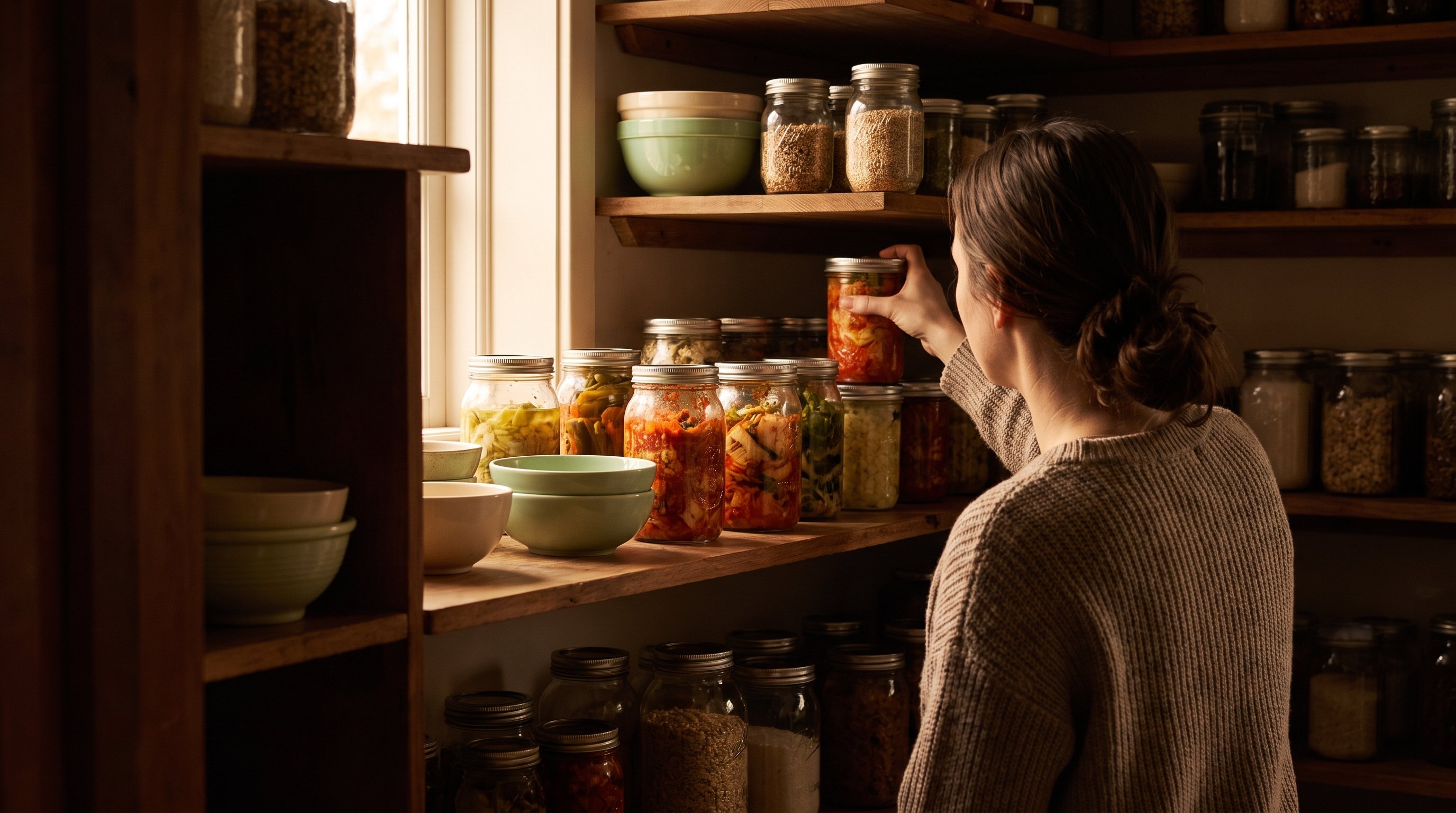
Most adults need somewhere between 25 and 38 grams of fiber a day, and a single cup of cooked lentils gets you close to half that on its own.
Fiber works because it passes through digestion mostly intact, feeding gut bacteria and adding bulk that keeps things moving - it is not magic, just mechanics.
This guide lays out a usable high-fiber foods chart, explains how much you actually need, and shows how to fit it into real meals without overhauling your whole week.
Does a High-Fiber Foods Chart Actually Work?
A chart works the same way a shopping list works: it removes the guessing, so you reach for the beans instead of the white bread without having to think twice.
Fiber itself has two simple mechanisms - soluble fiber dissolves and slows digestion, insoluble fiber adds bulk and speeds transit.
Do the arithmetic: swap one slice of white bread for one slice of wholemeal, and you pick up roughly 2 extra grams of fiber for zero extra effort.
Stack a few swaps like that across a day - oats at breakfast, a bean-based lunch, a piece of fruit with skin on - and you can land in the 25 to 38 gram range without a single supplement.
Why This Beats the Harder Alternative
The harder alternative is counting every gram, weighing portions, and treating fiber like a prescription.
That approach burns out fast because it asks for constant attention, and attention is the one resource that runs out first.
A chart-based approach asks for less: pick high-fiber options most of the time, and the daily total takes care of itself.
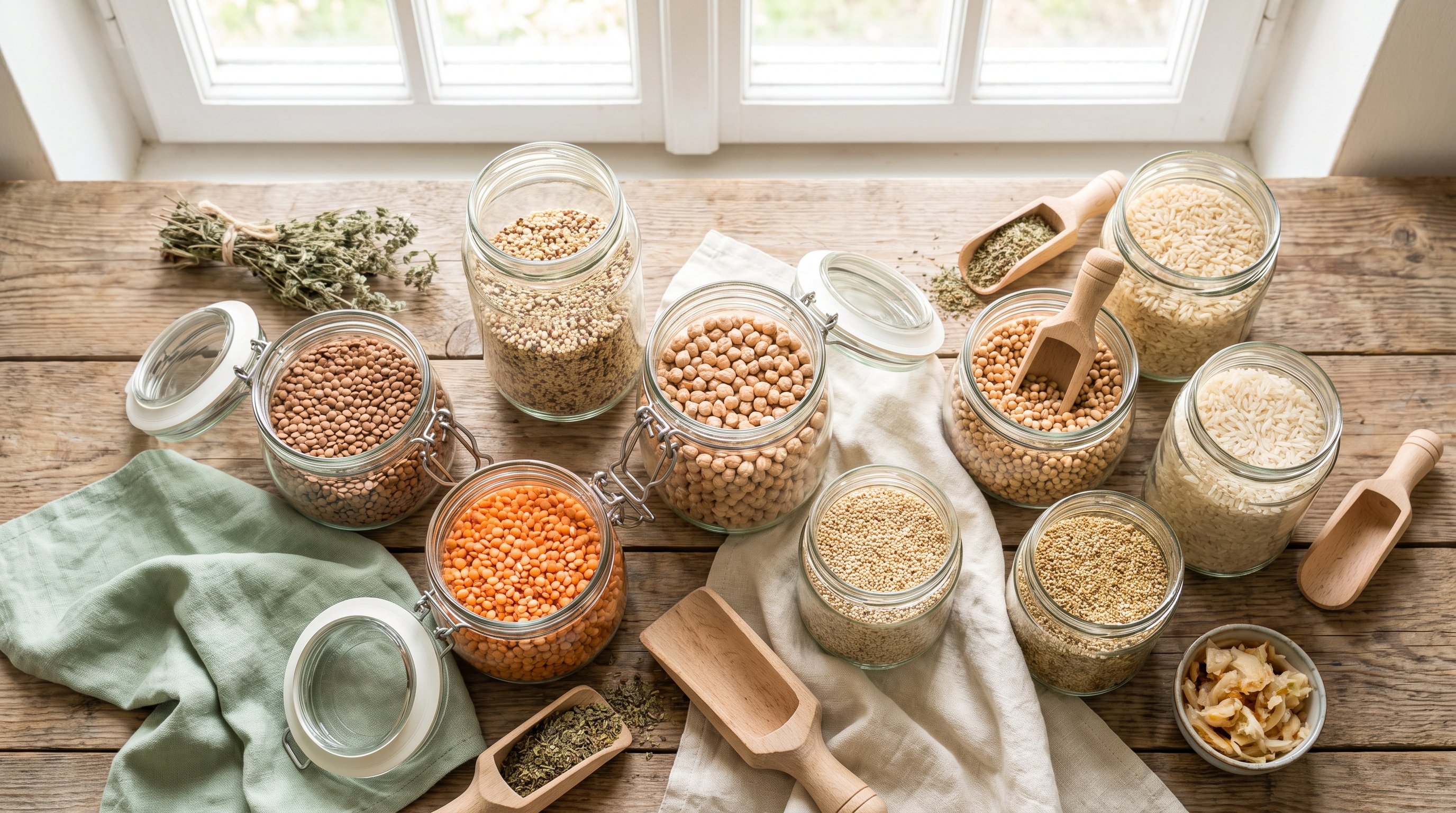
Substitution beats restriction because you are not fighting your own appetite - you are just redirecting it toward food that happens to carry more fiber.
The Quantity Question: How Much Fiber Do You Need
The general range sits between 25 and 38 grams a day, but the useful number is the one that fits your own meals.
Start by looking at what you already eat, then find the gaps where a swap is easy.
Find Your Own Number
Add up a normal day of meals, count the fiber-rich items, and see how close you already are before changing anything.
The chart below gives you a quick reference for common foods and roughly how much fiber a typical serving carries.
| Food | Serving | Fiber |
|---|---|---|
Lentils, cooked | 1 cup | ~15g |
Raspberries | 1 cup | ~8g |
Oats, rolled | 1 cup dry | ~8g |
Wholemeal bread | 1 slice | ~2g |
Avocado | 1 whole | ~10g |
Chickpeas, cooked | 1 cup | ~12g |
Pick two or three of these to rotate through the week and the daily total builds itself without a tracker in sight.
The Practical Question: Fitting Fiber Into Real Meals
Knowing the numbers is one thing - fitting them into a Tuesday lunch you actually want to eat is another.
The easiest route is building meals around food you already like, just with a higher-fiber version in the mix.
This is where a meal plan built around food you already like makes the difference, because Probiotic Diet turns the chart into actual recipes instead of leaving you to work it out alone.
Pairing that with trackers for water, steps and weight means fiber is not the only thing you are juggling in your head.
Comparison: Whole Food Fiber Versus Fiber Supplements
This is the decision most people land on once they realize hitting 30 grams a day from food alone takes some planning.
Both routes can raise your fiber number, but they come with different trade-offs worth weighing before you choose.
| Factor | Whole Food | Supplement |
|---|---|---|
Nutrient variety | Comes with vitamins, minerals | Fiber only |
Cost over time | Groceries you already buy | Ongoing product cost |
Gut bacteria variety | Feeds many bacteria types | Feeds fewer types |
Ease of start | Needs some meal planning | Quick to add |
Satiety | Fills you up with volume | Less filling |
Neither option is wrong, but whole food fiber tends to do more jobs at once - which is why most charts lead with food first.
The Forbidden Promise, Answered Honestly
No, fiber will not target fat in one area, and no single food reshapes a body part overnight.
The body does not store or release fat by zone on command - it responds to overall patterns, not single meals.
What fiber-rich food actually does is add bulk and slow digestion, which can help meals feel more filling for the calories they carry.
That is a steady, unglamorous mechanism, and it is the honest one.
Levers That Change the Result
Not every fiber swap carries equal weight - some levers move the number more than others.
Levers Worth Prioritizing
- Swap the base carb - wholemeal bread, brown rice or oats instead of the refined version lifts fiber at every meal, not just one.
- Add a legume most days - lentils, chickpeas or beans carry some of the highest fiber per cup of any common food.
- Keep the skin on - apples, potatoes and cucumbers lose fiber the moment the skin comes off.
How Long Until You See Results?
Digestive changes from more fiber often show up before anything else, simply because that is where fiber acts first.
Other changes, like easier portion control from feeling fuller, tend to build more slowly and unevenly.
This is the point where people usually quit - the gap between starting and noticing feels longer than it is.
Staying consistent through that gap matters more than any single high-fiber meal.
Your First Four Weeks
Order matters more here than exact numbers - each week builds on the one before it.
| Week | Focus |
|---|---|
Week 1 | Swap one refined carb for wholegrain |
Week 2 | Add a legume to two meals a week |
Week 3 | Keep skins on fruit and veg |
Week 4 | Rotate three high-fiber meals weekly |
By week four, the swaps stop feeling like a project and start feeling like how you normally eat.
What Stalls Progress
Adding Fiber Too Fast
Jumping from low fiber to 35 grams overnight can feel uncomfortable - build it up over a couple of weeks instead.
Forgetting Water
Fiber needs fluid to do its job properly, so pair higher fiber meals with more water through the day.
Only Counting Breakfast
Oats in the morning help, but fiber needs to show up at lunch and dinner too, or the daily total stalls.
Relying on One Food
Eating the same high-fiber item daily gets boring fast - rotate a few options so it is sustainable.
No Plan for Busy Days
Fiber habits slip first when the week gets hectic, so keep a couple of fast, high-fiber options ready to go.
Why Probiotic Diet Works for This
Reading a high-fiber foods chart is the easy part - cooking from it every week is where most plans fall apart.
Probiotic Diet turns the chart into a set of recipes to pick from, with trackers for steps, water and weight so fiber is not the only habit you are managing.
Light workouts and motivating challenges sit alongside the meal plans, so the whole routine is built in one place instead of scattered across apps.
Final Thoughts
A high-fiber foods chart is only useful once it turns into meals you actually cook, so start with one swap this week rather than overhauling everything at once.
Probiotic Diet can help carry that into daily habit, with recipes and trackers built around food you already enjoy.
Frequently Asked Questions
How Much Fiber Do I Actually Need per Day?
Most adults fall somewhere between 25 and 38 grams a day. The exact number depends on your body and current eating pattern, so treat the range as a target, not a strict rule.
Can't I Just Take a Fiber Supplement Instead?
Supplements can raise your total number, but whole foods bring vitamins, minerals and a wider range of fiber types along with it. Food first tends to cover more ground than a supplement alone.
What If High-Fiber Foods Make Me Feel Bloated at First?
That is common when fiber increases quickly, and it usually settles once intake rises gradually alongside more water. Adding fiber over a couple of weeks instead of all at once helps avoid the discomfort.
Why Do I Stop Following the Chart After a Week or Two?
Most people drop off because planning every meal from scratch is tiring, not because fiber stopped working. Probiotic Diet keeps the recipes and tracking in one place, which removes a lot of that daily decision-making.